
Services > Environmental Testing Services
Environmental Site Assessments and Due Diligence
Testing for Environmental Site Assessments
An environmental site assessment (ESA) is conducted to determine the environmental condition of a property and identify any potential contamination or environmental liabilities. These assessments are typically performed as due diligence or to comply with environmental regulations during real estate transactions, development planning, or regulatory compliance processes.
Common Sites That Need Environmental Site Assessments
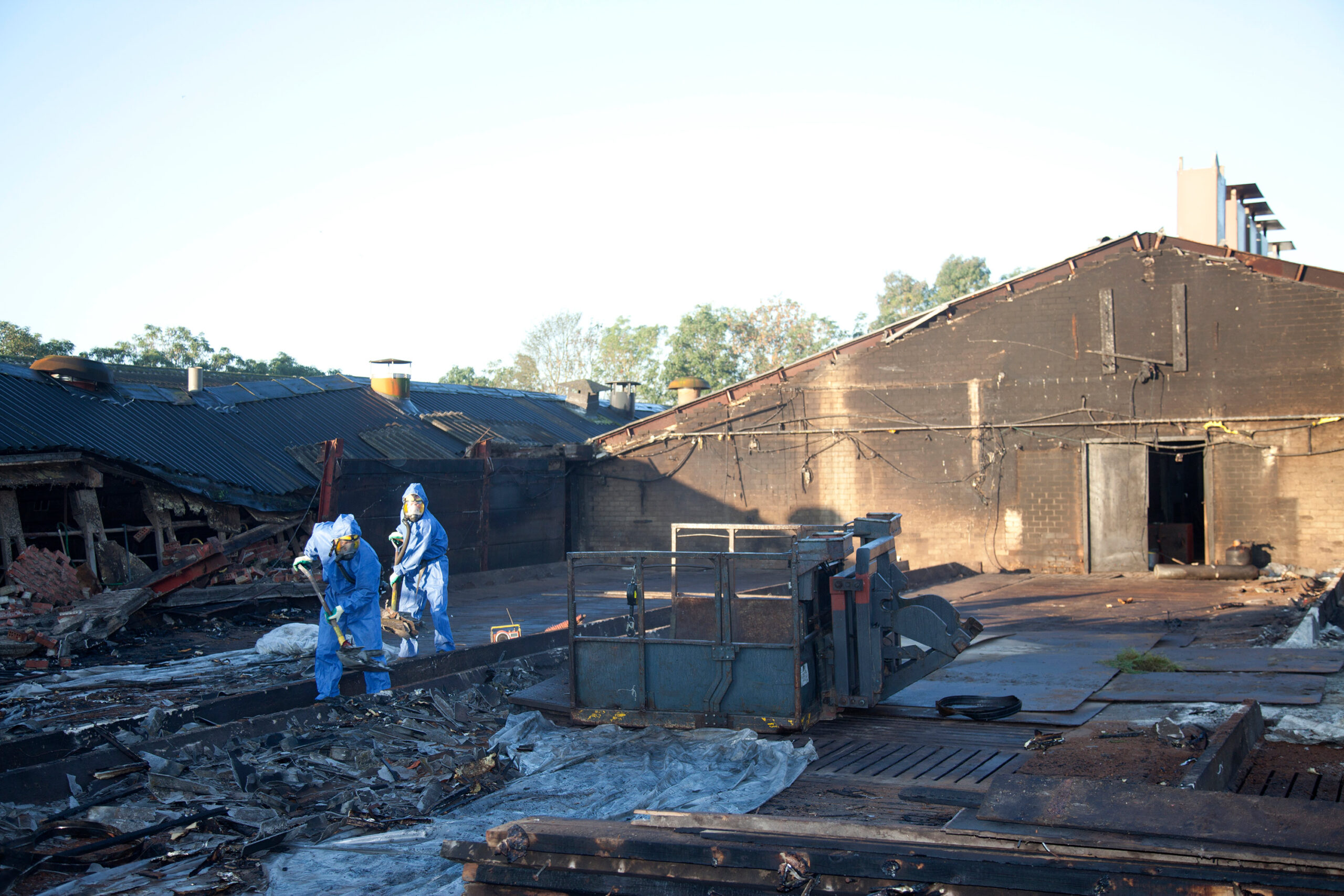
Environmental site assessments are commonly required for properties with current or historical activities that may have resulted in soil, groundwater, vapor, or other environmental impacts.
- Historical industrial operations
- Underground storage tanks
- Fuel and chemical storage and handling activities
- Electrical substations
- Data center developments
- Former manufacturing facilities
- Sites with known PFAS impacts and groundwater concerns
Environmental Site Assessment Phases
ESAs are governed by multiple standards, including ASTM 1527, CAN/CSA-Z768-01 and CAN/CSA-Z769-00, and are usually divided into three phases:
Phase I
This is a non-intrusive investigation that includes records review, interviews and site reconnaissance to identify recognized environmental conditions (RECs) that may indicate the presence of hazardous substances. Phase I services are typically provided by the consultant responsible for the project.
Phase II
This phase involves sampling and laboratory analysis to confirm or rule out the presence of contamination identified during Phase I. Testing scopes are site-specific and can include soil, groundwater, surface water, soil vapor and air analyses.
Phase III
If contamination is confirmed, Phase III activities may include:
- Defining the extent of contamination
- Risk assessment
- Remediation planning and cost estimation
- Implementation of cleanup activities
Environmental Site Assessment Goals
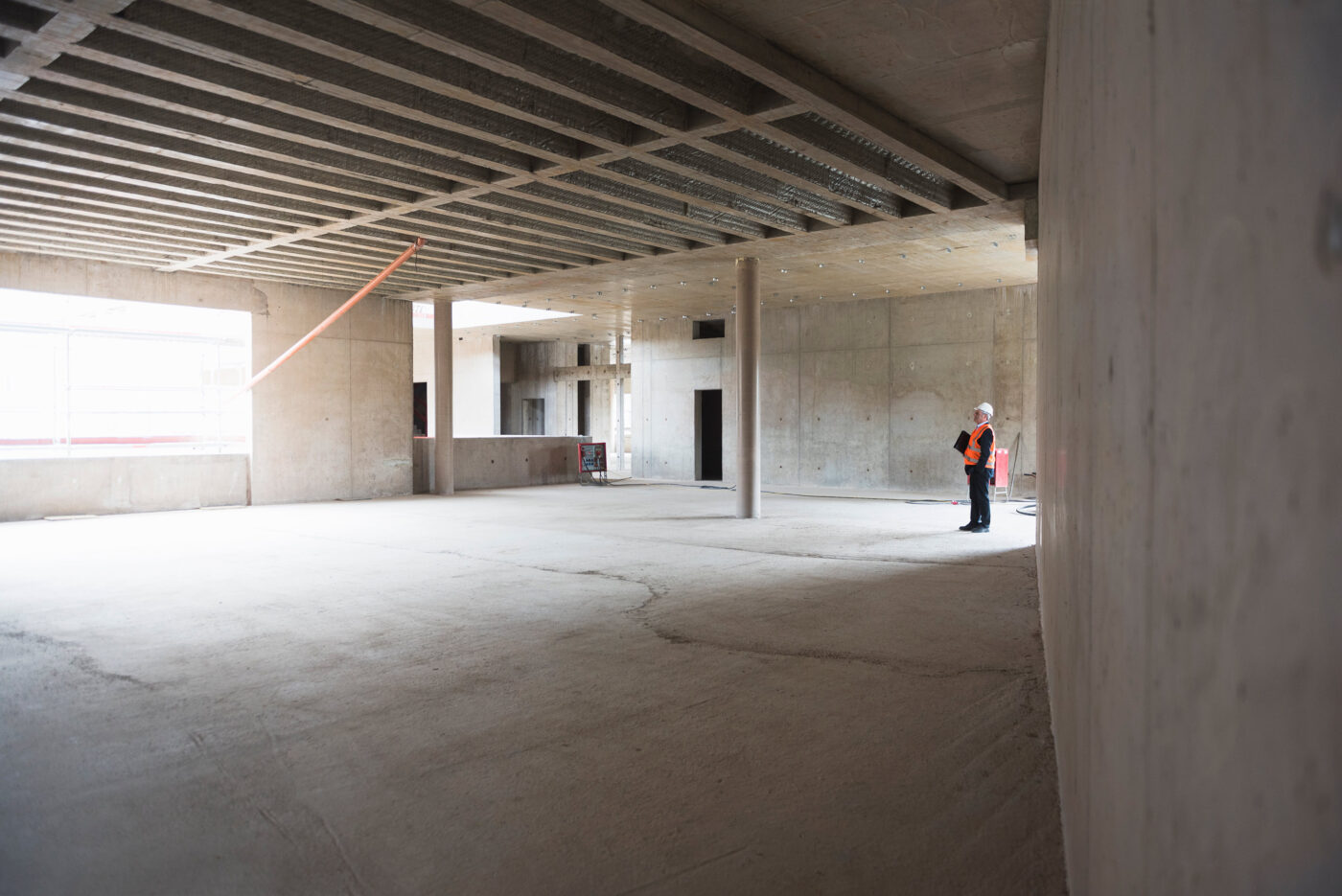
The goal of an ESA is to identify and evaluate potential environmental concerns that could impact a property’s value, usability or regulatory status. Whether investigating impacts from historical industrial operations, underground storage tanks, dry-cleaning facilities, data center developments or emerging contaminants such as PFAS, testing provides the data needed to support informed decision-making, regulatory compliance and effective site management.
Contact SGSYour ESA and Contaminated Land Testing Partner
We deliver a wide range of tests at the appropriate reporting limits and accreditations to provide defensible data that meets regulatory scrutiny. With comprehensive soil, water and air testing capabilities, we support routine Phase II and Phase III investigations while also offering customized analytical solutions and non-routine methods for unique project requirements.
Our routine ESA testing capabilities include:
- Petroleum hydrocarbons, including forensic testing capabilities and routine soil vapor testing
- Heavy metals
- Comprehensive volatile and semivolatile organic compound (VOC and SVOC) testing, including vapor intrusion support
- Pesticides and herbicides
- Polychlorinated biphenyls (PCBs) and dioxins
- Per- and polyfluoroalkyl substances (PFAS), including source attribution and forensic analysis
- Asbestos and lead-based paint testing
In addition to delivering high-quality analytical results, we provide data that meets exacting due diligence standards and can withstand regulatory and legal scrutiny. Our industry-leading data portal Engage, provides access to laboratory results as they become available, compares data against applicable regulations, and offers graphing and reporting tools. Our electronic chain of custody (eCOC) streamlines project planning and sample management while reducing the potential for errors.
Our extensive laboratory network and industry experts also:
- Provide national reach and consistent support regardless of project location
- Support projects with sample pickup, sampling supplies, rush services and expedited turnaround times
- Offer the capacity to scale efficiently during larger Phase III programs without compromising quality
Why SGS for your Testing Needs?
- Global Reach, Local Expertise: A worldwide laboratory network backed by local knowledge to meet your needs.
- Regulatory Compliance: Expertise in regional and international guidelines, including EPA, CCME, and more.
- Customized Analytical Plans: Tailored testing protocols to address unique project challenges.
- Proven Track Record: Decades of experience delivering high-quality data to industries across North America.