
Wilmington Achieves 1633A Accreditation, Expanding SGS’s PFAS Network
SGS Expands PFAS Testing Network with 1633A Accreditation at Wilmington Lab SGS North America is[...]
24
Jul
Jul
TEM AHERA Asbestos Testing Services
High-Precision Asbestos Analysis. NVLAP-Accredited. Accurate Clearance Testing for Safer Re-Occupancy Asbestos contamination poses significant risks[...]
07
Jul
Jul
SGS PFAS Academy Newsletter June
It’s officially summertime and PFAS news continues to grab headlines around the country. SGS is[...]
26
Jun
Jun
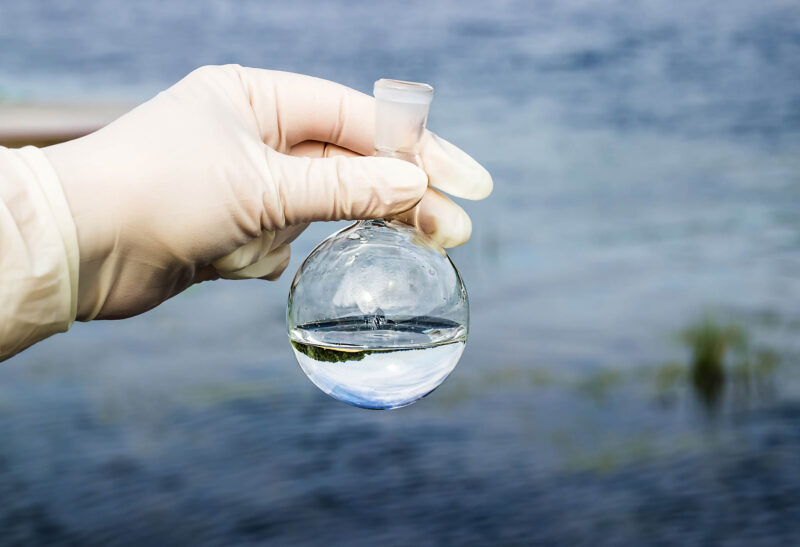
Understanding Canada’s Revised risk management scope for PFAS
If you have any immediate PFAS needs, email us at [email protected] and we will get[...]
04
Jun
Jun
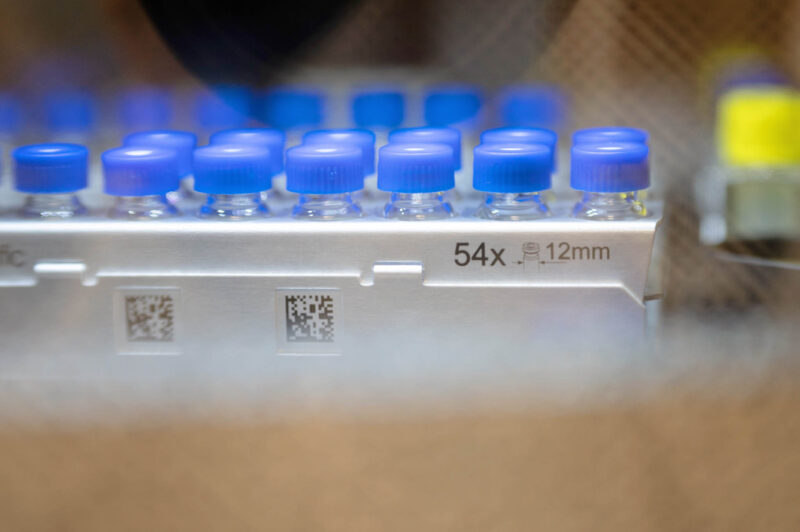
5-Day Turnaround Time Guaranteed For Your Thermal Desorption Tube Analysis – Or It’s Free!
With SGS Galson’s EPA 325 Analytical and Management Program, with the patented AIHR Shark, you[...]
04
Jun
Jun
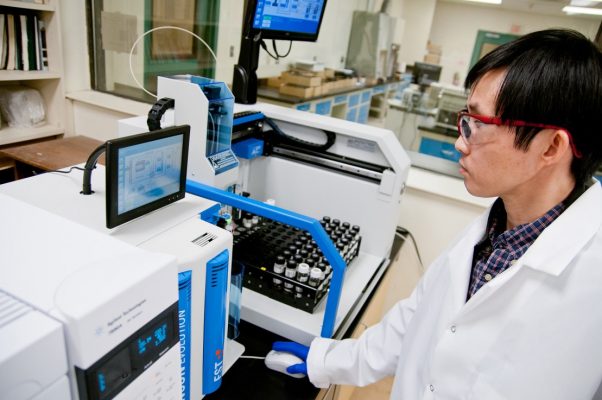
EPA FOCUS ON ETHYLENE OXIDE RESULTS IN SGS GALSON RESPONSE
SGS Galson has responded to the EPA identifying ethylene oxide (EO) as a potential concern[...]
04
Jun
Jun
Comprehensive Fenceline Monitoring Solutions for Compliance and Community Protection
Industries such as refineries, oil and gas, and petrochemical facilities must meet strict environmental regulations[...]
02
Jun
Jun
SGS PFAS Academy Newsletter May
The last few weeks have delivered some interesting news in the PFAS world. The USEPA[...]
30
May
May
SETAC North America Sessions
SETAC North America is in Portland this year, 16–20 November 2025. As one of our[...]
27
May
May
Enhancing our FreePumpLoan™ Program with New SKC Air Sampling Technology
Experience upgraded performance and reliability—at no cost to you. We’re upgrading our FreePumpLoan™ Program with[...]
11
Apr
Apr