
What the HAL? Understanding EPA’s new PFAS Health Advisory Levels
On 15-June-2022, the EPA announced Interim Health Advisory Levels (HALs) for PFOS and PFOA (updated),[...]
17
Jun
Jun
What’s Next After Dioxins and Furans? A Free Webinar Presented by Dr. Chandramouli
Please join Bharat Chandramouli, Ph.D., for a free webinar Wednesday, March 3, 2021 at 1:45[...]
01
Mar
Mar

COVID-19 Update: SGS AXYS Operations and Receiving are Open
To our valued clients. SGS AXYS continues to monitor the COVID-19 situation and restrictions closely.[...]
17
Mar
Mar

Replacing Aroclor Methods with Congener-Based Approaches for PCBs
Summary SGS has developed and validated accurate, sensitive and accessible polychlorinated biphenyls (PCBs) analysis by[...]
16
Mar
Mar
Updates and Improvements to PPCP Method MLA-075
SGS AXYS is a leader in the measurement of pharmaceuticals and personal care products (PPCPs)[...]
17
Dec
Dec

Bile Acids Interferences in PFAS Analysis
Can bile acids found in plasma, eggs, liver and other biological samples interfere with PFAS[...]
15
Nov
Nov

SGS AXYS Data Used to Assess Phthalate Levels in Children
Phthalates, used as plasticizers in many plastics including polyethylene, polypropylene and more, have been associated[...]
12
Nov
Nov

SGS AXYS Features POPs, CEC and PFAS Expertise at SETAC NA
SGS AXYS will be featuring our work on PFAS, neonicotinoids, bisphenols, metabolomics and more at[...]
30
Oct
Oct
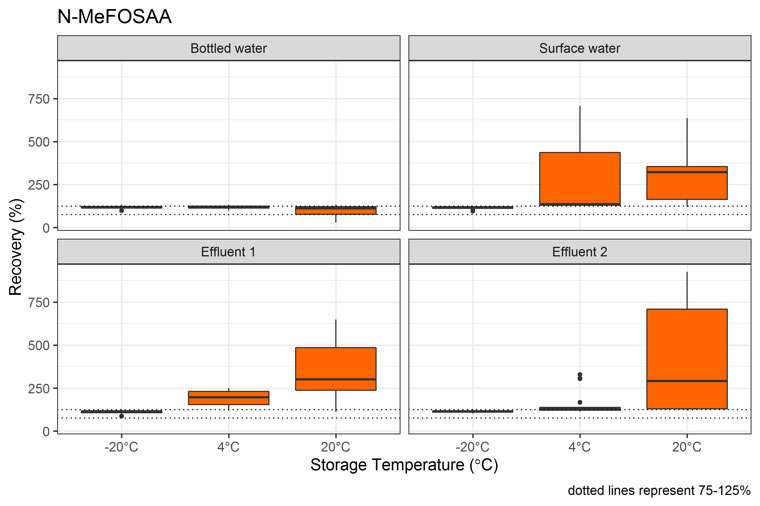
SGS AXYS Scientists Publish Timely Study on PFAS Storage Stability
While perfluorinated carboxylates and sulfonates (PFAA) such as PFOA and PFOS are known to be[...]
11
Oct
Oct
- 1
- 2